Sascha Becker
Articles & Tutorials
Thoughts, insights and experiences from my work as a software developer.
Claude Opus 5 arrived with a chart that put it at the top of the frontier for half the price of Fable 5. Every number on that chart is true. Two weeks of daily use handed me a different model than the one I had assembled from the marketing, which is a story about how models get sold, why the benchmarks stopped measuring what they claim to measure, and what Opus 5 actually is.
My anti-slop skill already had rules. They worked, and they were entirely mine, invented from a year of irritation and tested against nothing. Replacing that homemade layer with two writing systems that predate the whole AI era, one written so an aircraft mechanic could not misread a maintenance manual and one that runs the largest documentation estate in software, changed what the skill can do. They also contradict each other, which turned out to be the useful part.
A difficult trace is evidence about how a codebase communicates. The breadcrumbs skill turns that evidence into small repairs: clearer names, explicit contracts, useful errors, honest comments, and documentation in the place readers already look. The result is a codebase that gets easier to understand each time an agent or developer works through it.
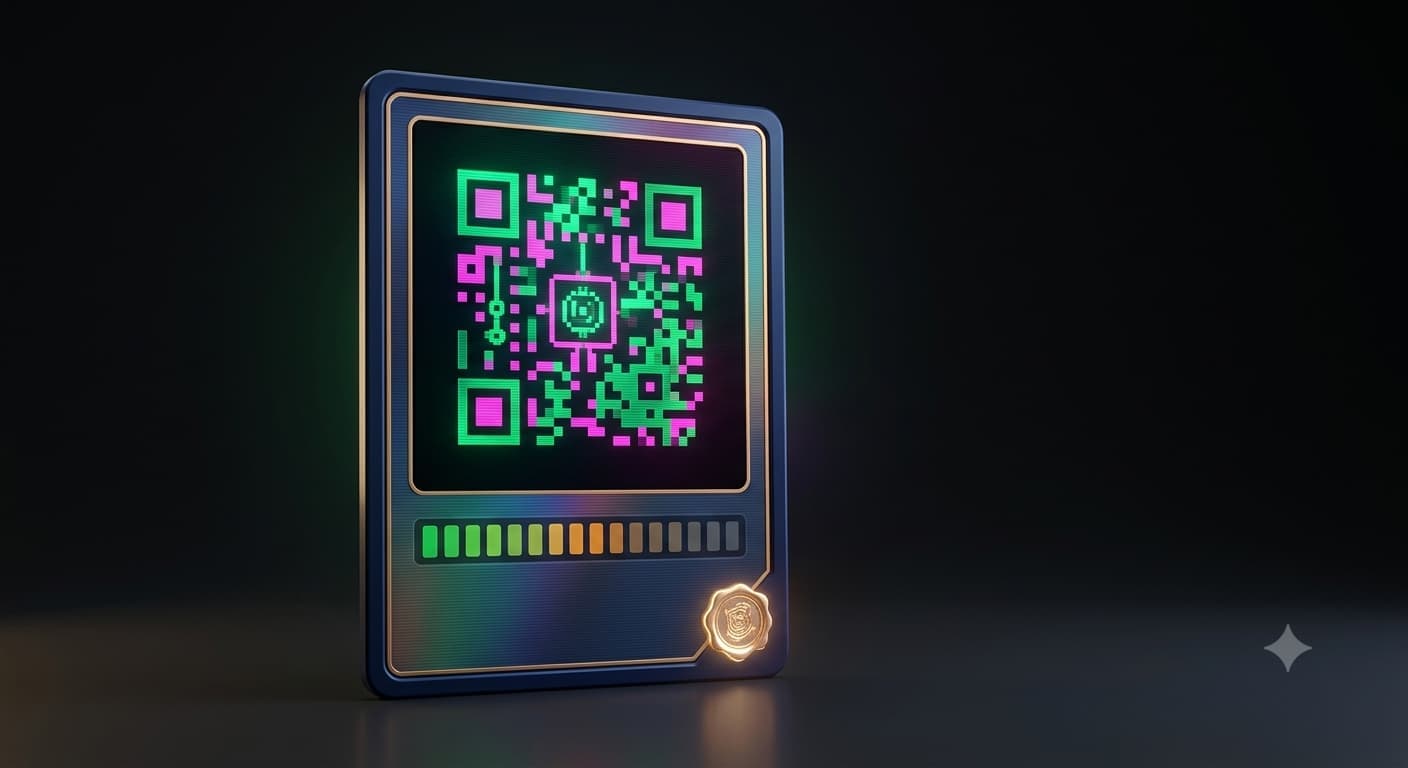
You type one command and a folder you did not write becomes part of how your agent thinks and acts. The only signal you usually get back is a green checkmark, and a checkmark proves the wrong thing. trust-card replaces that badge with graded evidence: who shipped these exact bytes, what the skill is allowed to do, where its knowledge came from, and who has independently vouched for it. It renders the result as a trading-card you can actually read, and it refuses to pretend that a signature proves an artifact is safe.
Coding agents write good UI and bad versions of your UI. The Open Design System Format packages a design system as a bundle of markdown, HTML, and CSS an agent can read and build from: tokens that exist once and render as CSS, typed concepts linked into a graph, and self-rendering examples. It is a strict profile of Google's Open Knowledge Format. Here is what it is and the odsf skill I shipped with it.
Google's Open Knowledge Format is a tiny, vendor-neutral spec for the context an AI agent needs: a bundle of markdown files with YAML frontmatter, one required field per concept, no SDK and no lock-in. Here is what it is, why the permissive consumer contract is the clever part, and what I shipped on top of it: the okf skill, a bundle collection, and OKF Studio, a desktop app that reads any bundle as a graph.
Most of the time you spend with an AI coding agent, you are the bottleneck: it does one thing, then stops and waits for you. Autopilot is a skill that takes you out of that seat. The agent picks the work, does it, verifies it, commits it, and picks the next thing, while you review the stream of commits on your own schedule. Here is how it works, why it is safe to leave running, and why it does not just bury you in busywork.
Claude, GPT, Gemini, Grok, DeepSeek, Qwen, v0, Lovable, Bolt. Ask any of them to build a React app and you get the same answer: Next.js or Vite, TypeScript, Tailwind, shadcn/ui. A look at the convergence, why it's happening, what we lose, and how to steer your way out of it.
Git was designed for humans typing code line by line. AI changed that. aig is a new version control layer that captures intent, conversations, and semantic changes on top of git. Here's why I built it and how it works.